A client came to us last year after spending $40,000 on marketing that didn't work.
The ads were fine. The targeting was fine. The offer was fine.
The problem? Nobody remembered them five minutes after seeing the ad.
Their brand looked like everyone else in their industry. Same stock photos. Same blue color palette. Same vague tagline about "solutions" and "excellence." When potential customers scrolled past, nothing stuck. Nothing made them pause. Nothing made them think, "These are the people I want to work with."
So the money kept going out. And the leads kept not coming in.
This is what a forgettable brand actually costs.
The Math Nobody Wants to Do
Most business owners think of branding as a nice-to-have. A logo refresh. Some new colors. Maybe a website that looks more modern.
But branding isn't decoration. It's the difference between a stranger trusting you and a stranger scrolling past you.
Here's what weak branding does to a business:
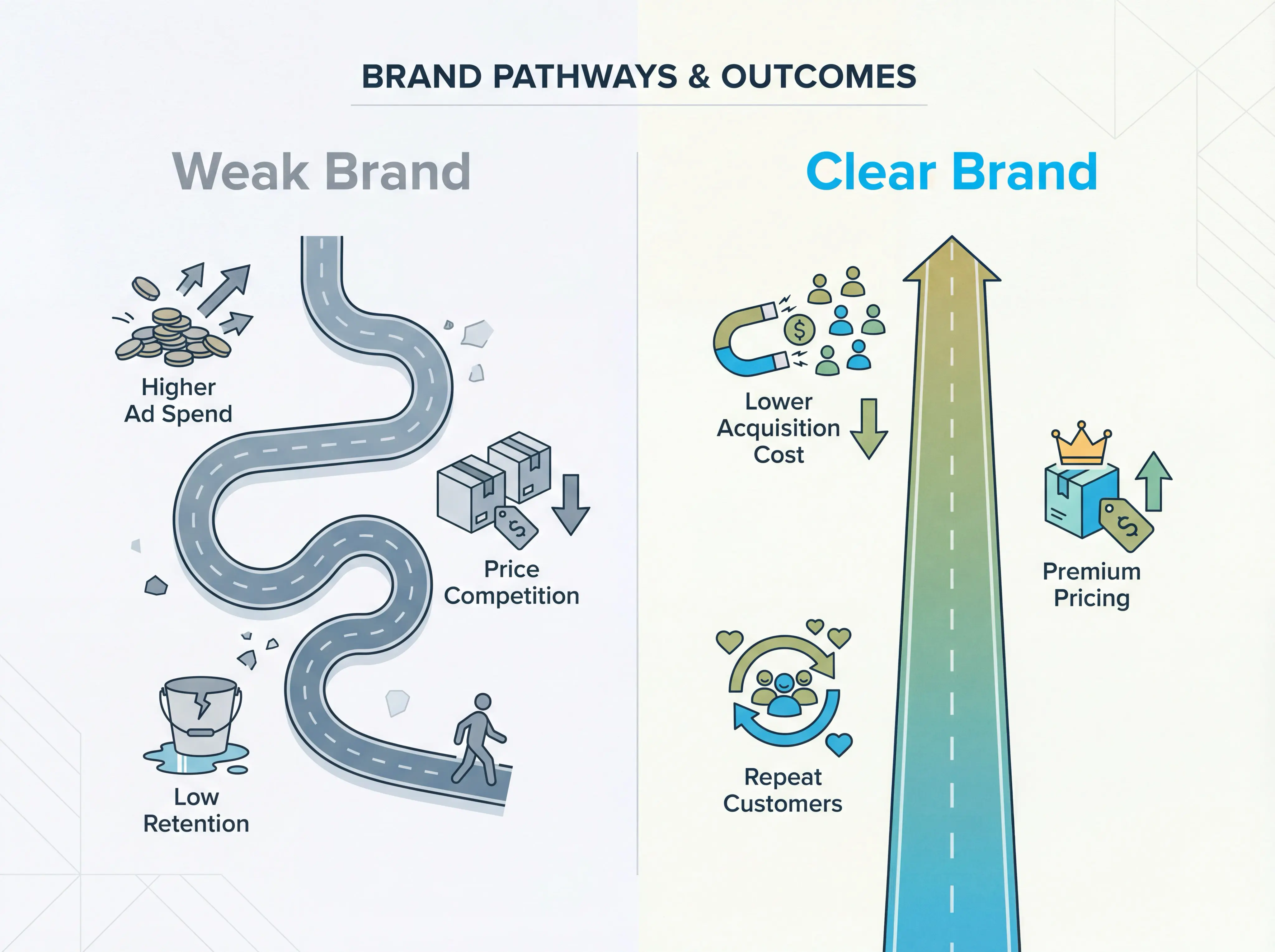
It increases your cost to acquire customers. When your brand doesn't communicate clearly, your ads have to work harder. You need more impressions, more touches, more convincing. You're paying extra for every single lead because your visual identity isn't doing any of the heavy lifting. (Your knowledge base on branding)
It forces you to compete on price. When you look like everyone else, the only differentiator left is cost. Customers can't see why you're worth more, so they default to whoever charges less. Your margins shrink. Your best prospects go elsewhere.
It kills referrals before they start. People refer businesses they can describe. "You should work with the studio that does the really clean, strategic branding work" is a referral. "You should work with that company, I forget their name, they do marketing stuff" is not.
It makes every new product launch an uphill battle. Strong brands can introduce new offers to an audience that already trusts them. Weak brands start from zero every single time. (Your knowledge base on branding)
The Invisible Bleed
The hardest part about a forgettable brand is that the damage is invisible.
You don't see the leads who almost clicked but didn't. You don't see the referrals that almost happened but stalled because the person couldn't remember your name. You don't see the premium clients who assumed you weren't at their level because your website looked like a template.
What you see is a business that's working too hard for every sale.
You see proposals that turn into price negotiations. You see marketing campaigns that "kind of" work. You see a nagging feeling that you should be further along by now.
And here's the thing: often the product is good. The service is good. The people are good.
The brand just isn't communicating any of that.
What Clear Branding Actually Does
Strong branding isn't about looking pretty. It's about creating the right associations in the minds of the people you want to reach. (Your knowledge base on branding)
When your brand is clear:
- Prospects understand what you do in seconds, not minutes
- They remember you when they're ready to buy
- They perceive you as more credible before you've said a word
- They're willing to pay more because the value is obvious
- They tell others about you in ways that actually land
This isn't magic. It's the result of intentional decisions about positioning, visual identity, and messaging that all point in the same direction.
The Real Investment
Here's what most people miss: you're already paying for your brand.
Every piece of marketing you run, every proposal you send, every website visitor who bounces after three seconds. You're paying in lost opportunities, compressed margins, and wasted effort.
The question isn't whether branding costs money. The question is whether you're paying for a brand that works or subsidizing one that doesn't.
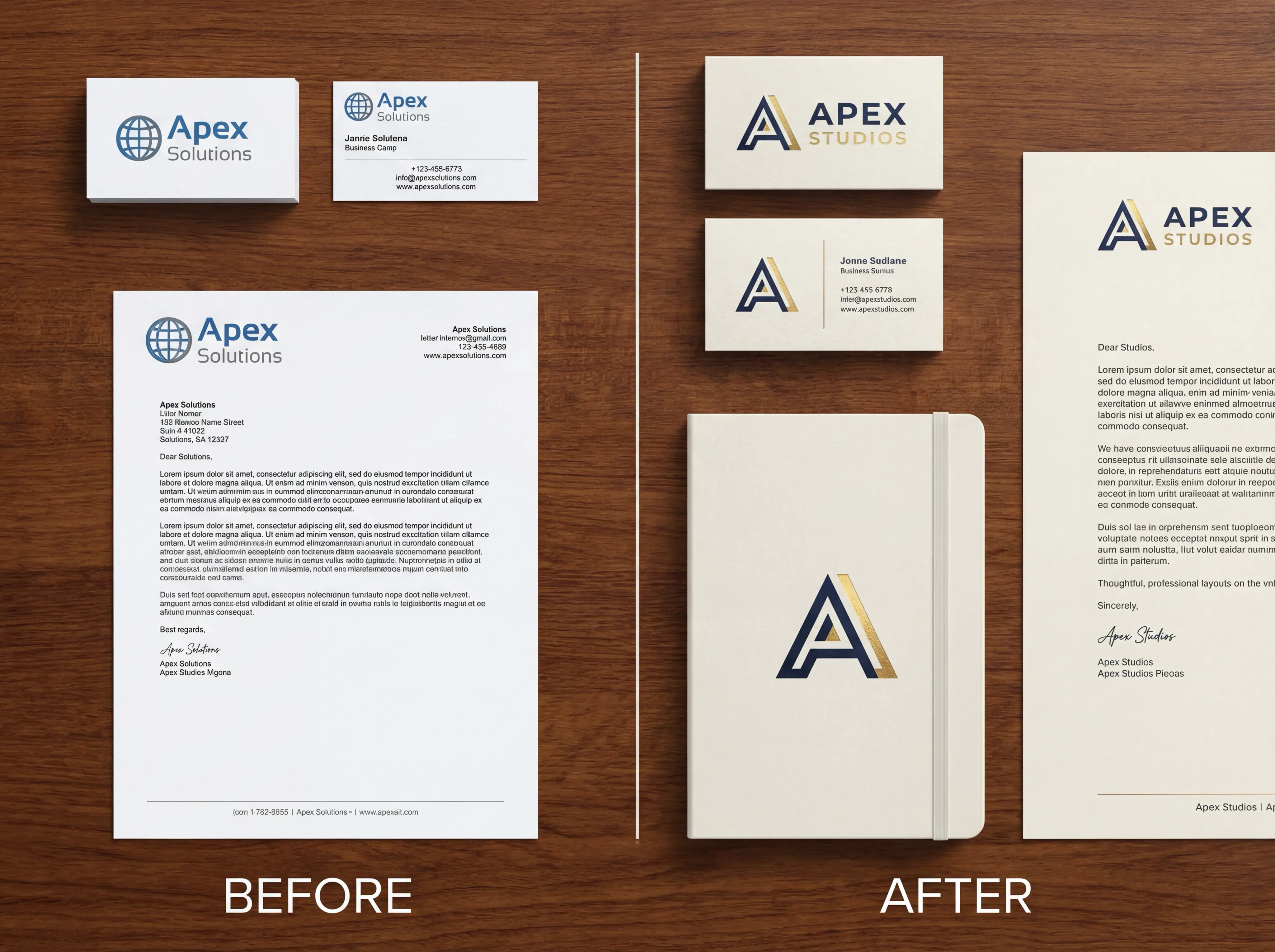
A forgettable brand is an ongoing expense. A clear brand is a one-time investment that pays back every single day.
Where to Start
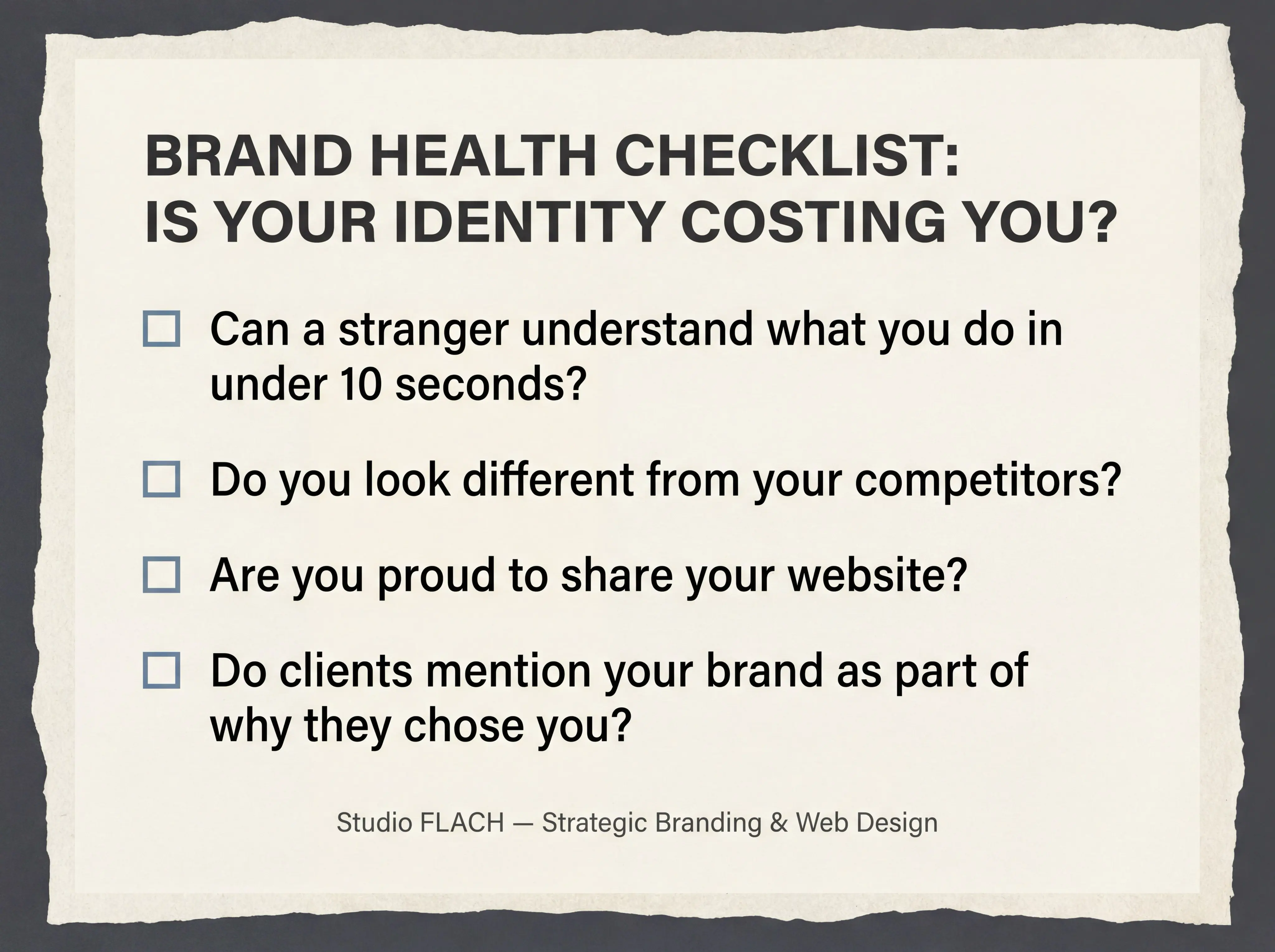
If you suspect your brand might be costing you more than it's earning, ask yourself:
- Can a stranger understand what you do in under 10 seconds? Look at your website, your social profiles, your business cards. Is it obvious?
- Do you look different from your competitors? Not different for the sake of it, but different in a way that reflects your actual strengths.
- Are you proud to share your website? Or do you find yourself apologizing for it, explaining around it, promising that you're better than it looks?
- Do clients mention your brand as part of why they chose you? If every client says "I found you on Google" and none say "Your website made me want to work with you," that's a signal.
Your brand should be working for you around the clock. It should be your best salesperson, your clearest communicator, your most consistent first impression.
If it's not, you're leaving money on the table every day you wait.

